Stop reading about interviews. Start doing them. Practice face-to-face with a real AI interviewer and walk into your next interview already knowing how it feels.
Real People. Real Results.
1,000+Sessions Completed
24/7Available — No Scheduling
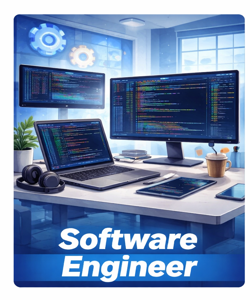
"I kept bombing interviews even though I knew my stuff. Practicing here made me realize I just didn't know how to talk about what I knew. Got my first offer two weeks after I started."
— Arman, Software Engineer
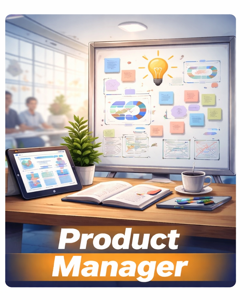
"I'd walk out of every PM interview thinking 'I should have said that differently.' After a few sessions here, I finally stopped second-guessing myself. Landed the role I'd been chasing for months."
— Sarah, Product Manager
Meet Your AI Interviewers
▶
▶
▶
▶
A Real Interview Experience
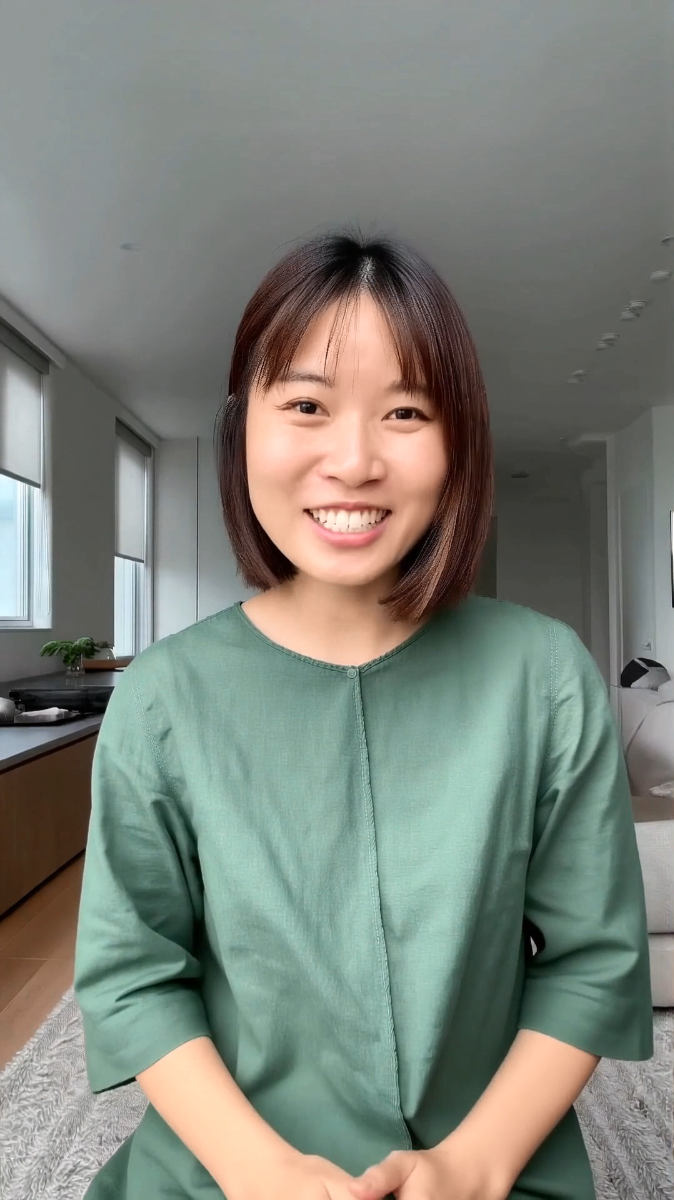
Sit across from a lifelike AI interviewer that looks at you, speaks naturally, and reacts in real time. You answer face-to-face in a live video conversation that mirrors a real interview — so when the real moment comes, it already feels familiar.
▶
Built From Your Resume
Upload your resume and the job description you're targeting. InterviewStudio analyzes both documents and creates a fully customized interview plan built around your experience and the role's requirements — so every question reflects the job you're actually pursuing.
▶
Practice Without Consequences
Run the interview as many times as you want. Try different answers, refine how you explain your experience, and improve your delivery — all without pressure, scheduling, or judgment. It's a private space to experiment until your answers feel natural.
▶
See Your Improvement Clearly
After every session, receive detailed feedback on each answer — including scores, strengths, weaknesses, and ideal responses. Track your progress over time and watch your performance improve as your answers become clearer, stronger, and more precise.
▶
HOW IT WORKS
Reading interview tips only gets you so far. InterviewStudio puts you in the seat — face-to-face with a real AI interviewer, answering real questions, getting real feedback. The only way to get better at interviews is to do them.
Share Your Target Role
Upload your resume and the job description you're applying for. We'll create a customized interview plan for you.
Rehearse the Real Interview
Sit face-to-face with an AI interviewer and answer real questions out loud. No judgment, no scheduling — just the closest thing to the real interview, available whenever you're ready.
Get Scored, Not Just Advised
After every session, receive a detailed score for each answer — strengths, weaknesses, and an ideal response. You'll know exactly where you stand and what to work on next.
Every session is built from your resume and the job description. So the questions feel real, because they are.
01
Opening & Rapport Building
Nail the first 30 seconds: confident, warm, and unmistakably professional.
The AI interviewer opens the session, sets expectations, and invites a short self-introduction. It uses your resume and the job description to guide you toward the right highlights — so you don't default to a generic opener. This section feels light, but the system is already scoring how you communicate under real interview conditions.
Example Questions
"How would you introduce yourself in 30 to 45 seconds?"
"What stood out to you about this role when you read the description?"
"What's one thing you want me to remember about you today?"
What Gets Evaluated
First 30 secondsTone & confidenceResume alignmentRole relevance
You'll improve: A tight, repeatable opener that sounds natural, not memorized. The feedback pinpoints where you ramble, undersell key strengths, or fail to connect to the target role.
Why this mattersEarly impressions can trigger halo effects — where one strong or weak opening moment colors how all later answers are judged. A disciplined opening protects you from avoidable bias.
02
Background & Motivation
Connect your past to this role with a clear, motivating story.
The AI asks you to walk through your background, transitions, and interest in the opportunity. It cross-references what you say against your resume and the job description — flagging when your narrative becomes timeline-heavy, generic, or disconnected from the role. You'll see exactly whether you answered "why you, why this role, why now" with real specificity.
Example Questions
"Walk me through your background and how it led you to this role."
"Why are you interested in this position with this organization?"
"Why is now the right time for this move in your career?"
What Gets Evaluated
Narrative clarityCareer transitionsMotivation depthRole fit signals
You'll improve: Summarizing your experience as a coherent storyline, not a list of past jobs. The feedback trains you to anchor motivation in specific role drivers, not vague enthusiasm.
Why this mattersInterviewers use these questions to test fit and motivation — because candidates who can't connect their experience to this specific role often sound interchangeable.
03
Core Competencies
Replace slogans with proof: tell STAR stories that show how you actually perform.
The AI shifts into behavioral questions that probe universal competencies — collaboration, communication, leadership, adaptability. It pushes for evidence-based answers and rewards structured storytelling (Situation–Task–Action–Result), not claim-only responses. Your report highlights missing pieces — like unclear actions, no measurable outcome, or fuzzy ownership — and shows an Ideal Answer for a higher-scoring response.
Example Questions
"Tell me about a time you had to influence an outcome without direct authority."
"Tell me about a time you handled a difficult stakeholder or customer situation."
"Tell me about a time you improved a process or raised the quality of results."
What Gets Evaluated
STAR completenessPersonal ownershipOutcome specificityCompelling delivery
You'll improve: Building adaptable stories that prove your skills with real evidence. The feedback trains you to state the result clearly, quantify impact when possible, and drop vague "I'm great at…" claims.
Why this mattersBehavioral interviews are widely used because past examples help interviewers infer future performance — but only if your story is concrete and complete.
04
Role Fundamentals
Show you understand the job's fundamentals — and can explain them simply.
The AI extracts the core tools, methods, knowledge areas, and expectations from the job description, then tailors questions to your stated experience on the resume. It assesses whether you understand what the role truly requires — and whether you can explain concepts at the right level for your target seniority. Your feedback separates surface familiarity from real understanding with a dedicated accuracy score and an Ideal Answer benchmark.
Example Questions
"Walk me through your experience with [tool or process] listed in this job description."
"How do you ensure your work stays accurate and high-quality under tight deadlines?"
"Explain a key concept from your work to someone outside your field."
What Gets Evaluated
Domain accuracyClarity of explanationSeniority-matched depthJob description fit
You'll improve: Speaking with calm precision — defining terms, explaining your reasoning, and matching depth to the role level. The feedback shows where you overgeneralize, dodge specifics, or rely on buzzwords instead of real understanding.
Why this mattersCandidates who sound knowledgeable in general but vague about the actual role's requirements rarely advance — employers verify job-related competence, not general intelligence.
05
Applied Role Scenarios
Demonstrate you've done the work: decisions, constraints, outcomes, and ownership.
This section goes beyond "I was responsible for…" and tests how you applied your skills in real conditions. The AI asks scenario-style prompts rooted in your resume and role requirements, then presses for constraints, tradeoffs, and measurable outcomes. Your report includes a dedicated Practical Experience score — penalizing answers that are directionally correct but too shallow to prove you can execute.
Example Questions
"Describe a time you had to prioritize competing requests with limited time."
"Tell me about a time you had to balance quality, speed, and stakeholder expectations."
"Walk me through a situation where requirements changed mid-way — what did you do?"
You'll improve: Answering like someone who has lived the work — specific context, real choices, and clear results. The feedback trains you to include the "how" (your decisions), not just the "what" (your duties).
Why this mattersCandidates often describe responsibilities; hiring managers listen for evidence of sound judgment under real constraints — exactly what situational interviewing is designed to reveal.
06
Advanced Situations & Tradeoffs
Handle tough questions with composure, reasoning, and full accountability under pressure.
The AI turns up the difficulty: ambiguity, failure, conflict, and high-stakes tradeoffs where there's rarely a perfect answer. It listens for structured thinking, emotional maturity, and ownership — flagging red flags like blame-shifting, evasiveness, or overly rehearsed positivity. The feedback focuses on decision quality and how clearly you reason out loud when the path isn't obvious.
Example Questions
"Tell me about a mistake you made — what changed because of it?"
"Describe a time you disagreed with a decision — how did you handle it?"
"When priorities conflict and stakes are high, how do you decide what comes first?"
What Gets Evaluated
Decision qualityAccountabilityReasoning under pressureEmotional maturity
You'll improve: Answering high-pressure questions with calm structure — what you considered, what you chose, and why. The feedback teaches you to show accountability and learning without oversharing or spinning.
Why this mattersHiring teams ask these questions to see how you think when information is incomplete — because most real jobs demand clear decisions without perfect clarity.
07
Culture & Values
Make culture fit credible: values, work style, and real examples — not buzzwords.
The AI identifies culture signals in the job description — how the team works, what they emphasize, what they reward — and asks you to respond with specific, grounded examples. It looks for authenticity and genuine alignment, not performative keywords. Your report shows where your answers sounded generic and provides an Ideal Answer demonstrating values through concrete behavior.
Example Questions
"What type of work environment helps you do your best work — and why?"
"Tell me about a time you faced a values-based or ethical decision at work."
"Which theme in this job description matters most to you, and how have you shown it?"
What Gets Evaluated
AuthenticityCulture fit signalsValues in behaviorWork style clarity
You'll improve: Describing your work style in observable behaviors — how you communicate, handle conflict, and make decisions. The feedback helps you stay genuine while still aligning to what the role actually rewards.
Why this mattersCulture fit means compatibility across values, norms, and ways of working — and interviewers listen closely for whether your day-to-day style will actually work in their environment.
08
Closing & Candidate Questions
Close strong: reinforce your fit and ask smart, prepared questions.
The AI gives you structured chances to summarize your value, clarify anything missed, and end with confidence. Then it flips the script: you ask your own questions, and the system evaluates whether they show curiosity, preparation, and strategic thinking rather than passive interest. Your report includes a holistic closing score — capturing exactly how you left the conversation in the final minutes.
Example Questions
"Is there anything you'd like to add that we haven't covered yet?"
"What would you prioritize in your first 60 to 90 days in this role?"
"What questions do you have for me about the role or the team?"
What Gets Evaluated
Closing confidenceFit reinforcementQuestion qualityTone & energy
You'll improve: Ending interviews with a concise final pitch that reinforces your strongest evidence. The feedback upgrades your question-asking so you sound prepared, engaged, and appropriately selective.
Why this mattersMany interviews end with "Any questions?" — failing to ask thoughtful questions signals low engagement, while strong questions demonstrate genuine interest and due diligence.
No signup. Real questions.
Stop wondering how you sound. Test it.
Step into a short voice interview and get a useful snapshot of your structure, evidence, delivery, and strongest next practice area—before creating an account.
Realistic questions
Immediate feedback
Voice-based practice
INTERVIEW SNAPSHOTLIVE
“Tell me about a difficult problem you solved. What changed because of you?”
Answer naturally. While you move through the questions, we will prepare focused feedback on your structure, evidence, clarity, and delivery.
1Listen to each interview question.
2Press once to speak and again when finished.
3Open feedback as soon as the final answer ends.
Preparing
Setting up your interview…
Preparing your private voice room…
✓
Interview complete
You gave us something real to coach.
Your answers are ready to review. Feedback that is still processing will appear automatically while you read.
Preparing your first results…
Personalized feedback
Your interview snapshot
Your results are appearing now.
…
One snapshot shows the gap. Rehearsal closes it.
Interview Mastery turns each weakness into short, repeatable lessons. For a complete simulation, upload your résumé and job description and practise the interview you are actually preparing for.